February is a wonderful time to emphasize friendship and the importance of a positive classroom community. Because I have a deep passion for helping students feel connected and loved, I have developed a fair number of resources with a social emotional focus. With just a little bit of advanced planning, it is so easy to weave into our lessons themes of inclusivity and caring for each other simply by selecting books with these themes.
In this post, I’d like to share ideas and activities with you that may support your goals of building a positive classroom community. Community building is one of the most important things we as teachers do, and it takes more than the first week of school to do it. In the first week, we help students get to know each other, help students get to know us, and we work to establish classroom norms so that the rest of the school year goes smoothly. However, it takes consistent conversations for deep friendships and memories to evolve.
Through community building activities, students have fun, work together, and learn that each member has value. As teachers, we plan a variety of activities to achieve our goals with community building, but I hope these recommendations hit you in the heart to help inspire love in your classroom.
Activities That Lead to a Positive Classroom Community
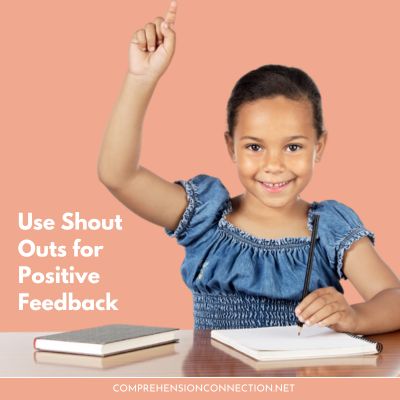
Use Shout Outs for Positive Feedback
Shout outs are a great way for students to recognize the kindness shown by their peers and help build a positive classroom community. Teachers can ring a bell or another attention grabbing sound, or simply put out a request for shout outs. Shout outs can be done in your class meeting or any time they are relevant. We all love to be complimented, and shout outs provide sincere praise from peers which really means a lot to kids.

Morning Meetings:
Start the day with a short meeting where students greet each other, share personal news, and participate in a fun, community-building activity. This sets a positive tone for the day, and helps students forget about what may have happened on the bus or at home.
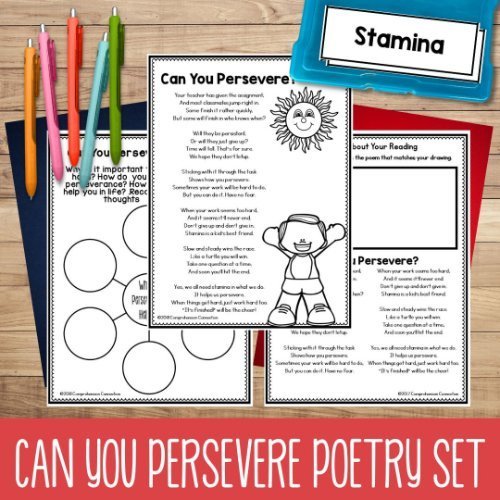
For my morning meetings, I recommend using these social emotional poems. There are 32 poems included and each comes with language arts activities as well as a projectable graphic organizer you can use for group discussion. If you would like a free sample of these poems, you can click the button below. The poetry set I am sharing is about perseverance which is an excellent term to teach especially as we’ve got the Superbowl and March Madness going on or at the start of the year. You can use it with the book, Salt in His Shoes or Wilma Unlimited and tie in Black History Month too.
Team-Building Games:
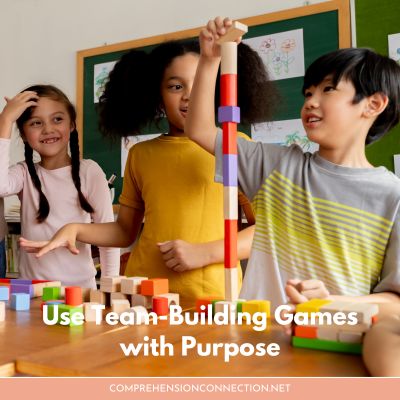
Team-building games can serve so many purposes and foster a positive classroom community. For one, they help kids get to know each other’s strengths. If you have a dynamic speaker on your team, you can bet the kids will recognize it. Likewise, drawing skills are a hot commodity too. Playing games like “Human Knot,” “Two Truths and a Lie,” or cooperative problem-solving activities promote teamwork and communication, valuable skills in the workplace.
“All About Me” Activities:
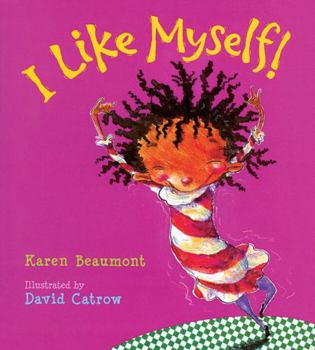
Have students create personal posters, time capsules, or presentations to share their interests. Helping classmates learn more about one another again reinforces personal strengths, improves self confidence, and builds common bonds.
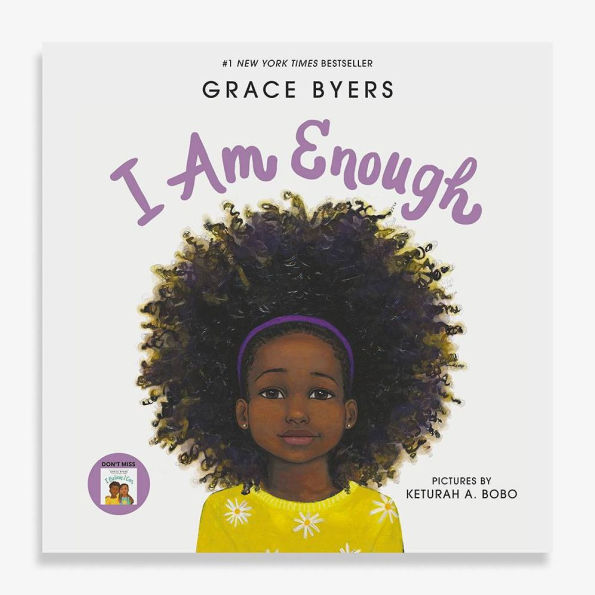
In conjunction with All about Me activities, I recommend a few book titles on these themes.
Random Acts of Kindness Challenges:
Create monthly kindness challenges where students aim to complete specific acts of kindness within the school or community. You can brainstorm ideas they can use as RAKs during your morning meeting, and then allow time for students to share what they have observed. I would encourage them to watch for ways people show kindness and share what they see vs what they’ve done themselves. This way, it doesn’t get out of hand with kids bragging about what they’ve done. You can then encourage the selfless nature of random acts.
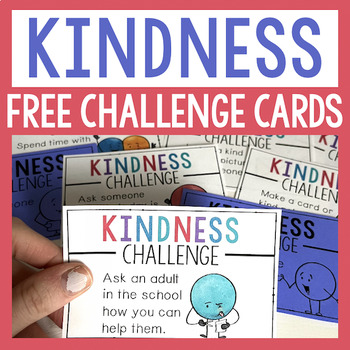
I came across these RAK challenge cards from Counselor Chelsey on TPT. I know they’d be helpful for discussion too. You can click the image below to download them.
Group Projects with Rotating Roles:
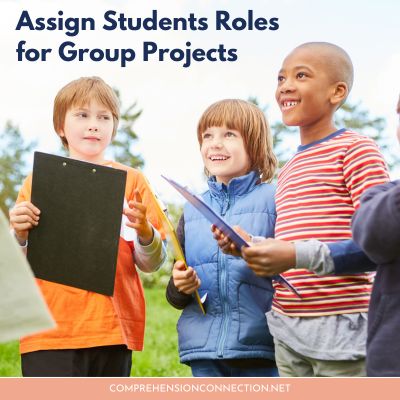
The last suggestion I have are to utilize group projects often. Whether your students are collaborating on an experiment in science, a group presentation, a trifold display for the novel they are reading, or a poster project, these help build communication skills. Even if students don’t get along initially, working through conflicts teaches them to work with colleagues for the future.
As you organize the groups, be sure to assign students different roles (leader, recorder, presenter, word wizard, or illustrator) to encourage collaboration and respect for diverse strengths. You might share this quote by Henry Ford for a bit of inspiration.
Coming together is a beginning; keeping together is progress; working together is success.
Have a wonderful school year, and I hope these tips work well at the start of the year, but all year long too.
Best Books for Community Building:
-

Do Unto Otters Literacy Activities Social Emotional Learning
$5.00 -

Bully by Patricia Polacco Reading Activities and Writing in Digital and PDF
$4.99 -
Thank You Mr. Falker by Patricia Polacco Activities Reading and Writing Lessons
$4.99 -
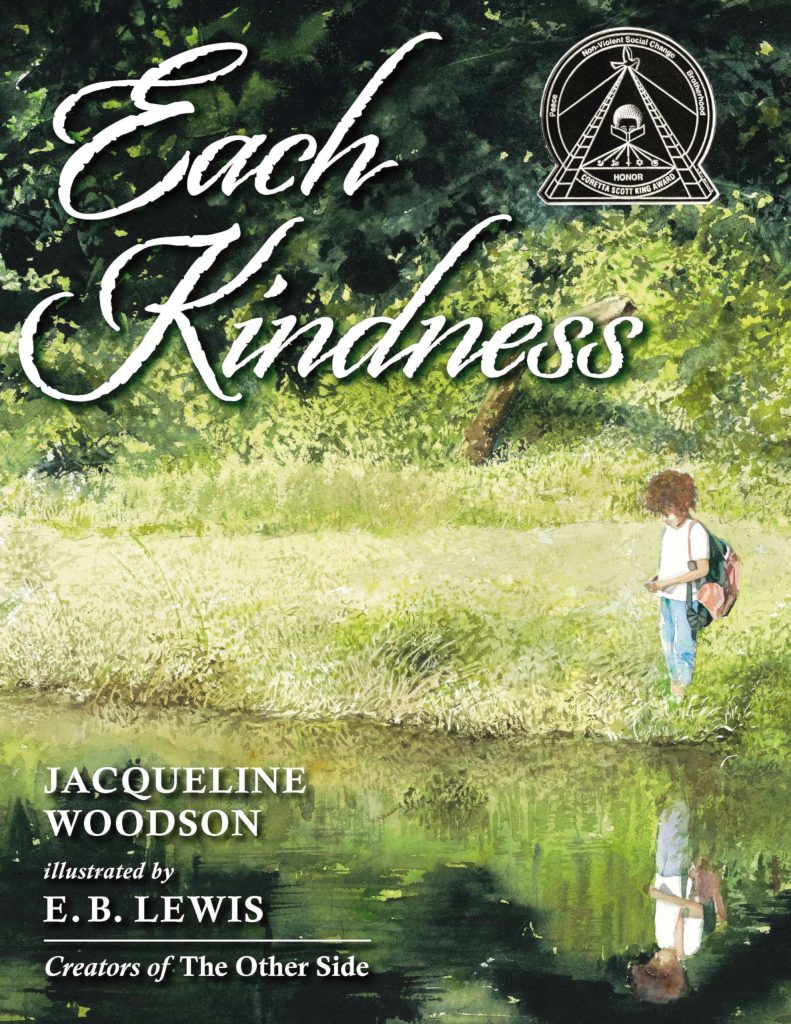
Each Kindness by Jacqueline Woodson Activities, Kindness Lapbook, Black History
$5.99 -
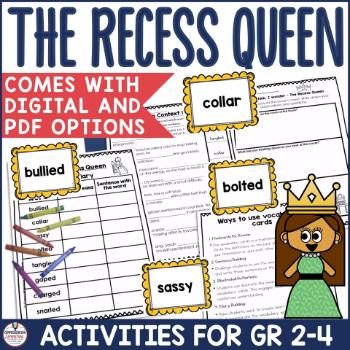
The Recess Queen Read Aloud and SEL Activities Book Companion
$5.00 -
The Invisible Boy Book Companion in Digital and PDF
$5.00